
Plumbing Resource
Sewage Backup in the Home: Immediate Safety Steps and What to Tell a Plumber
A sewage backup can create health and electrical hazards. Learn conservative first steps, what to avoid, and what information to give a plumber.
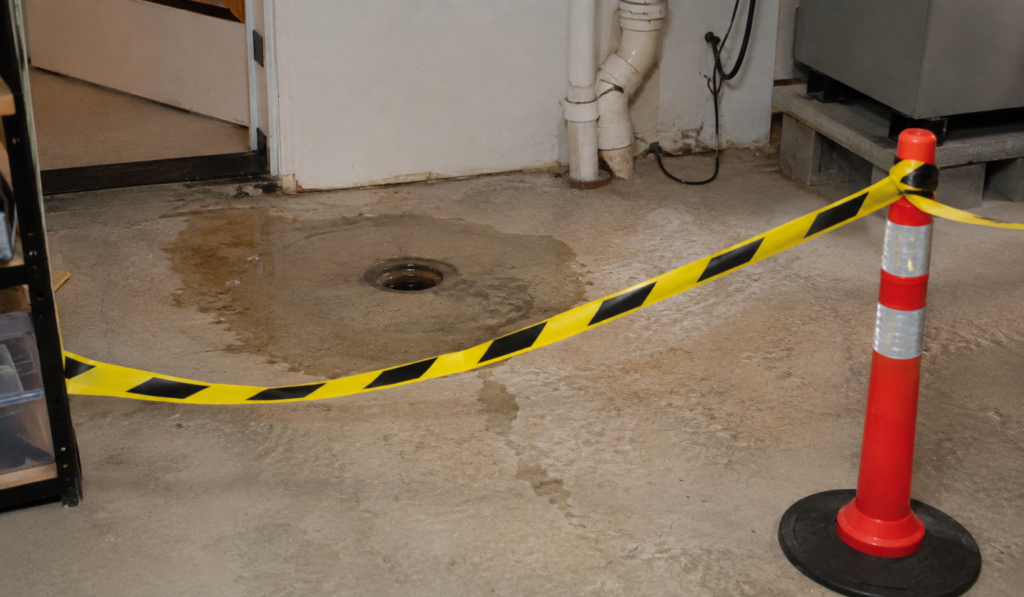
A sewage backup is different from an ordinary slow drain. When wastewater or sewage is entering a living area, the first priority is reducing exposure and avoiding additional hazards.
KEEP PEOPLE AND PETS AWAY
Avoid unnecessary contact with sewage or wastewater and keep children and pets out of the affected area. Sewage can contain organisms capable of causing illness.
CDC cleanup guidance emphasizes protective equipment such as rubber boots, gloves, and eye protection when sewage cleanup is necessary. A localized household backup is not automatically the same as a flood disaster, but the contamination principle still matters.
TREAT ELECTRICITY AS A SEPARATE HAZARD
Water and electricity can be life-threatening together. CDC advises that if electrical equipment is wet or near standing water, use caution. If reaching the main power switch would require entering standing water, do not do it; contact a qualified electrician or emergency service as appropriate.
Never stand in water while switching electrical power or operating electrical equipment.
AVOID ADDING MORE WASTEWATER WHEN PRACTICAL
If wastewater is actively backing up, avoid unnecessary water use until the situation is evaluated when that can be done safely and practically. Showers, washing machines, dishwashers, and multiple fixtures can add more wastewater to a system that is already struggling.
DO NOT MIX CLEANING CHEMICALS INTO THE BACKUP
Do not pour multiple drain chemicals, bleach mixtures, or other products into backed-up wastewater. Mixing chemicals can add hazards, and chemical treatment does not identify or repair the cause.
WHAT TO TELL THE PLUMBER
Explain which fixture backed up first, whether the material appears to be sewage, whether more than one fixture is affected, whether toilets/tubs/showers/floor drains are gurgling, when the problem began, whether recent heavy water use preceded it, whether there have been previous backups, whether sewage is near electrical equipment, and whether the backup is still active.
Photographs from a safe, dry position can help document conditions.
WHAT A BACKUP DOES NOT PROVE
A backup may involve a building drain, private sewer lateral, municipal system, blockage, roots, damaged pipe, or another condition. An article cannot determine which applies to a property.
Ownership and responsibility vary by utility and location. Do not assume every sewer issue is automatically the homeowner’s or the utility’s responsibility.
CLEANUP AND PLUMBING REPAIR ARE DIFFERENT
Stopping a plumbing cause does not automatically mean contaminated materials are safe. Flooring, drywall, furnishings, or other porous materials may require separate evaluation. Do not assume Home Help Rush or a plumbing provider performs environmental remediation unless that service has been specifically confirmed.
Sources reviewed
Request Service
Call 1 725-745-6034Related Resources
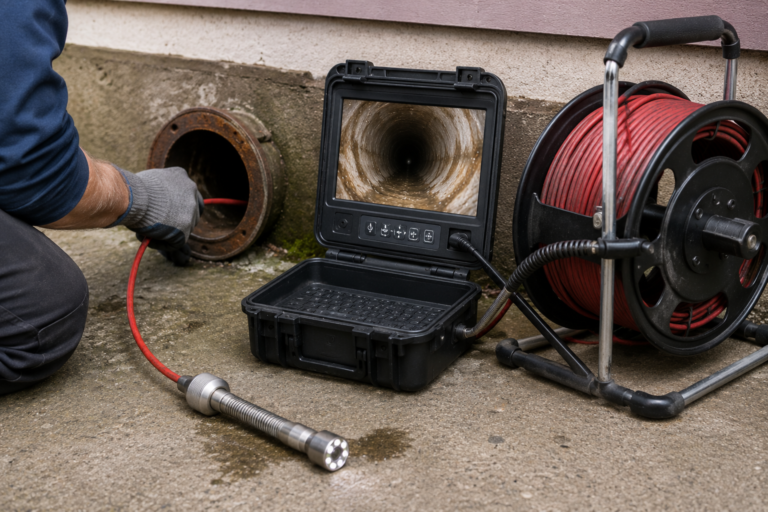
What a Sewer Camera Inspection Can — and Cannot — Tell You
Sewer cameras can reveal visible pipe conditions, roots, debris, offsets, and defects—but they have limits. Learn what camera inspection can and cannot establish.
Read the guide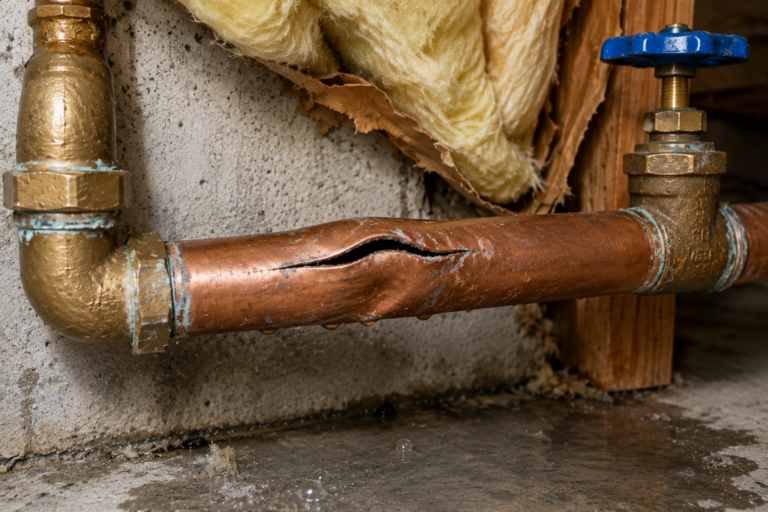
Why Did a Pipe Burst? Freezing, Pressure, Corrosion, and Other Failure Clues
Learn why pipes can burst or fail, including freezing, corrosion, pressure problems, and weakened connections—and what clues to document before calling.
Read the guide