

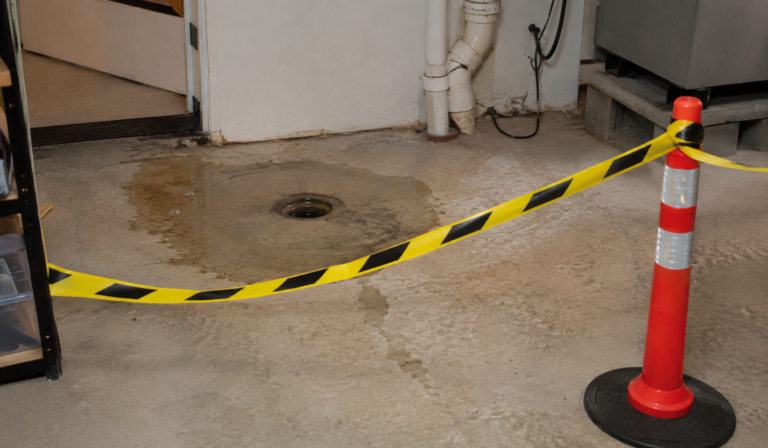
Sewage Backup in the Home: Immediate Safety Steps and What to Tell a Plumber
A sewage backup can create health and electrical hazards. Learn conservative first steps, what to avoid, and what information to give a plumber.
Read the guidePractical plumbing information for homeowners in Huntsville, Alabama, Madison, Alabama, and Athens, Alabama.
A sewage backup can create health and electrical hazards. Learn conservative first steps, what to avoid, and what information to give a plumber.
Read the guide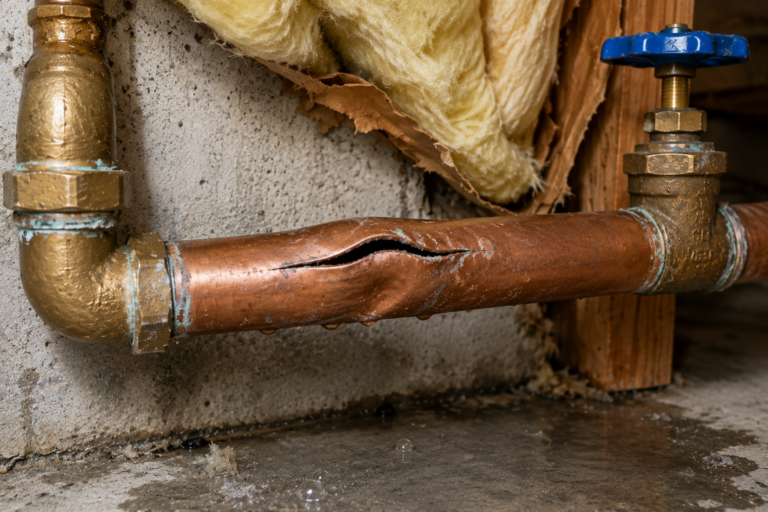
Learn why pipes can burst or fail, including freezing, corrosion, pressure problems, and weakened connections—and what clues to document before calling.
Read the guide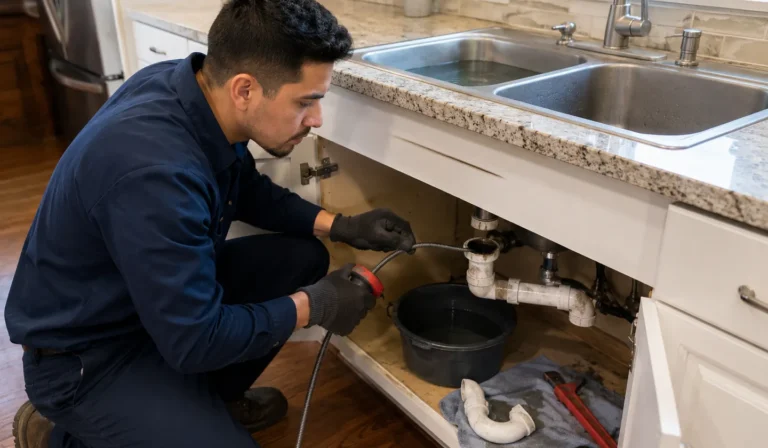
If the same sink, tub, or shower keeps clogging after plunging, learn how recurrence patterns can help describe the problem before you call.
Read the guide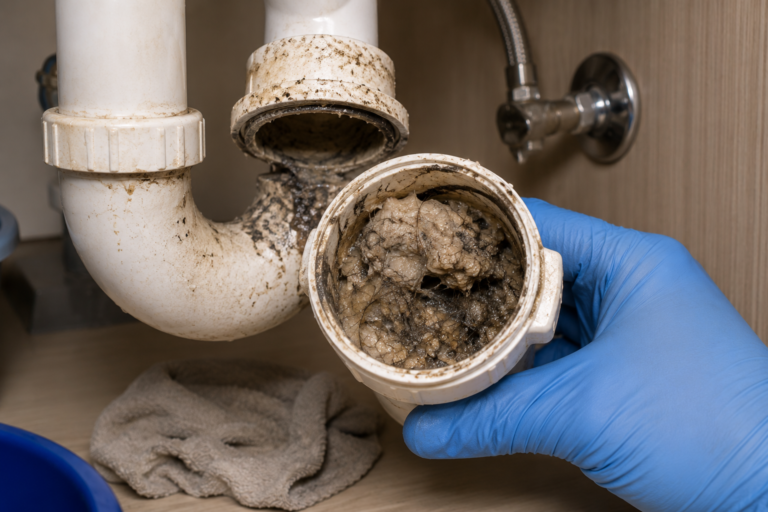
Kitchen grease and food differ from bathroom hair and soapy residue. Learn what can build up, why symptoms may return, and how to reduce new deposits.
Read the guide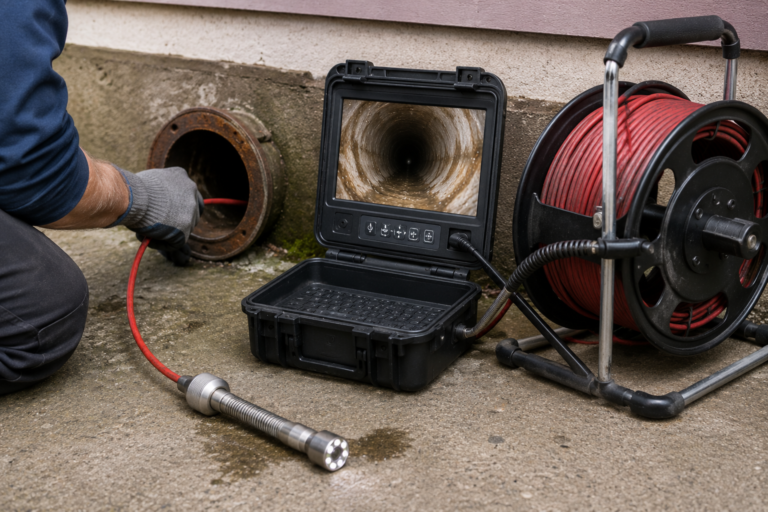
Sewer cameras can reveal visible pipe conditions, roots, debris, offsets, and defects—but they have limits. Learn what camera inspection can and cannot establish.
Read the guide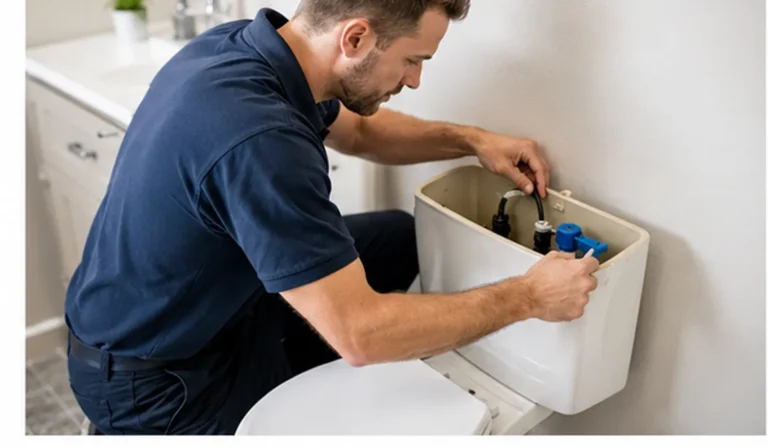
A running toilet can involve the flapper, fill valve, water level, overflow tube, or flush mechanism. Learn what the symptoms may mean and what to check safely.
Read the guide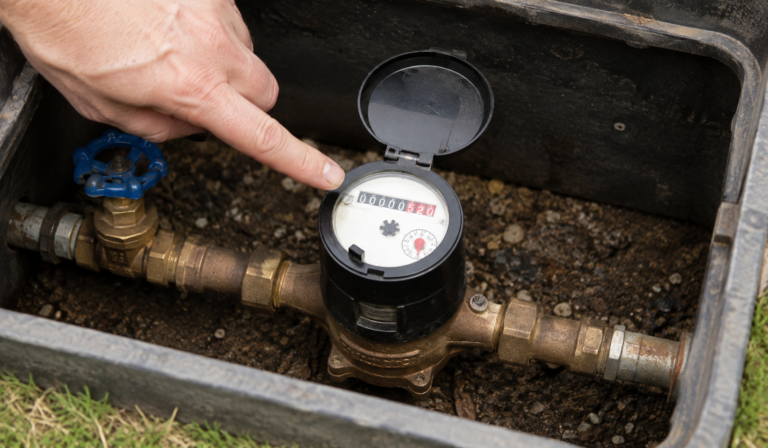
A simple no-water-use meter check can reveal unexplained water use. Learn how to do it safely, what a changed reading means, and what it does not prove.
Read the guide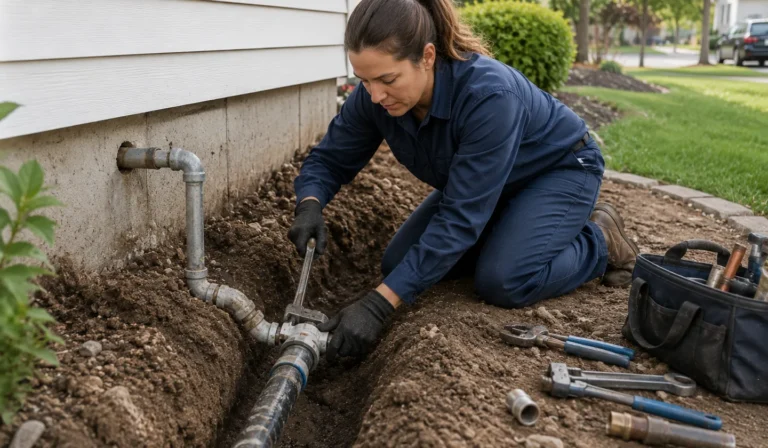
Learn what can influence a main water line repair-versus-replacement discussion, including damage extent, material, failure history, access, and condition.
Read the guide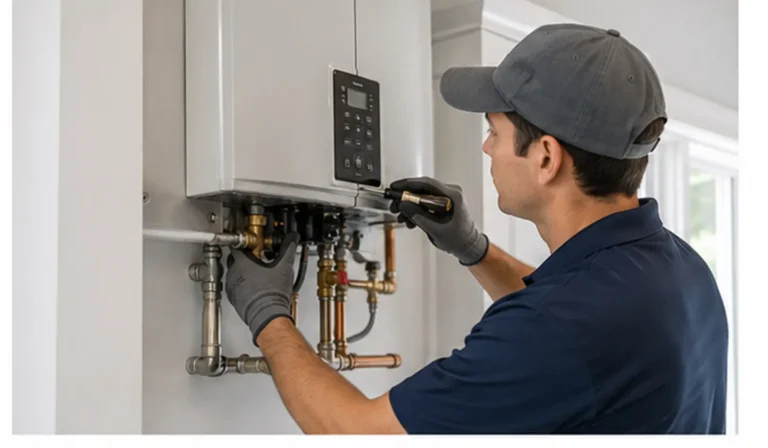
Running out of hot water can involve demand, capacity, controls, leaks, sediment, or components. Learn what to observe safely before requesting repair.
Read the guide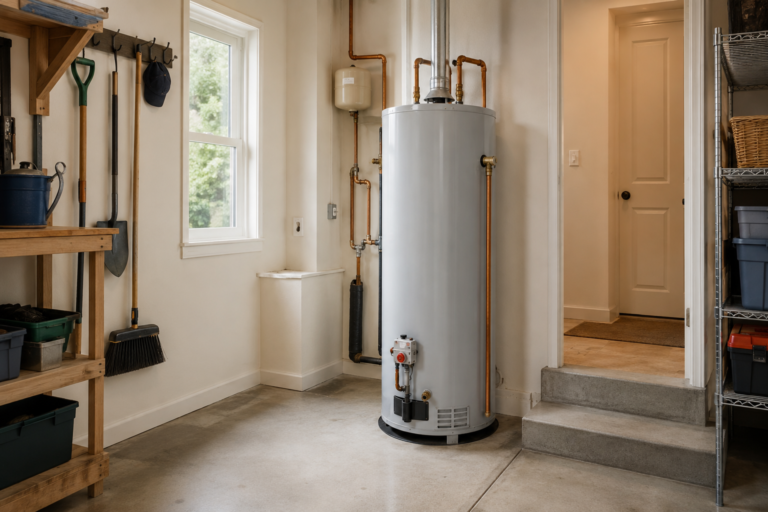
Water-heater sizing depends on peak hot-water demand, delivery capacity, fuel type, space, and equipment requirements—not household size alone.
Read the guide